

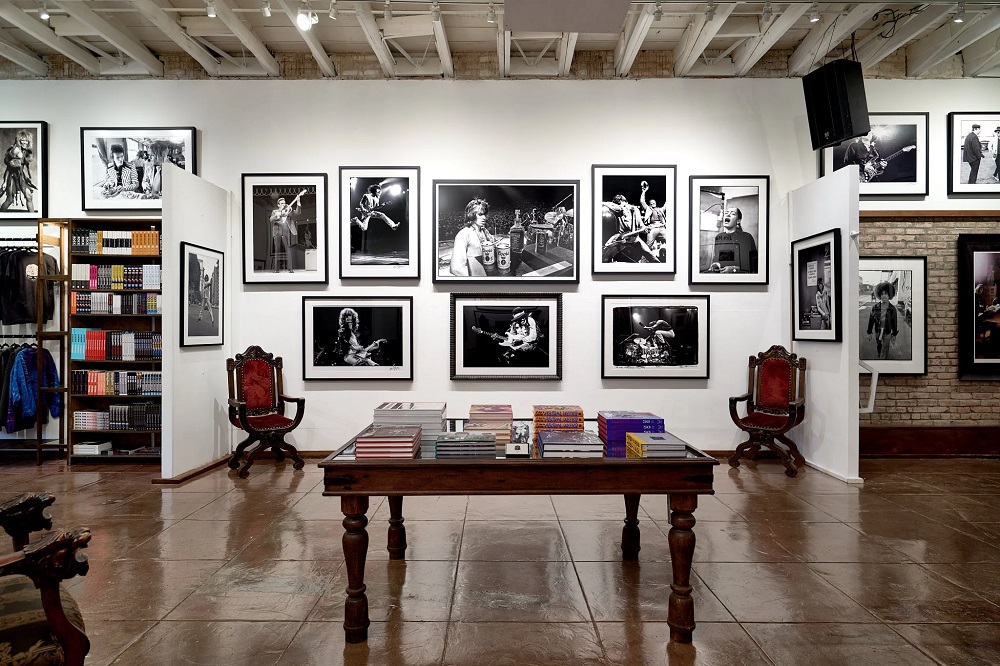
Music is typically experienced through sound, but its visual side is just as powerful. Photography captures the emotion, energy, and identity of musicians in ways that last far beyond a performance. Over time, these images have moved from magazines and album covers into curated spaces where they are appreciated as art. The connection between gallery music experiences and music photography highlights how sound can be translated into visual storytelling.
In galleries around the world, music photography is now celebrated as both artistic expression and cultural documentation.
The Evolution of Music Photography Into Fine Art
Music photography was once primarily used for promotional purposes. Images were created to sell albums, advertise tours, and build artist recognition. Over time, however, photographers began capturing deeper, more meaningful moments that went beyond marketing.
As a result, music photography gained recognition as a legitimate art form. Galleries began curating exhibitions that showcased the emotional and historical significance of these images. Today, a gallery music setting allows viewers to experience music through visuals in a completely new way.
This evolution has elevated music photography from supporting content to a centerpiece of artistic expression.
What Defines a Gallery Music Experience
A gallery music exhibition is more than just a collection of images. It is a curated experience designed to tell a story. Photographs are arranged in a way that guides viewers through different moments in music history or an artist’s journey.
Unlike scrolling through images online, viewing music photography in a gallery allows for deeper engagement. Visitors can study details, composition, and emotion in each photograph.
This immersive experience transforms how people connect with music and visual art.
Capturing Live Performance Energy
Live performances are one of the most compelling subjects in music photography. Concerts are filled with movement, lighting, and emotion that change from moment to moment.
Photographers must anticipate key moments to capture the intensity of a performance. These images often show artists at their most expressive, connecting with audiences through music.
In a gallery music exhibition, large scale prints of live performances allow viewers to feel the energy of those moments long after the concert has ended.
Studio Portraits and Artistic Vision
Studio photography offers a different perspective on musicians. Instead of capturing spontaneous moments, studio portraits are carefully planned and styled.
Through music photography, photographers and artists collaborate to create images that reflect personality, mood, and creative identity. Lighting, background, and composition are all designed to support the artist’s vision.
Many gallery music exhibitions feature these portraits because they highlight the artistic relationship between photographer and musician.
The Power of Black and White Imagery
Black and white photography has long been associated with classic music imagery. Removing color emphasizes emotion, contrast, and texture.
Many gallery music exhibitions include black and white prints because they create a timeless aesthetic. In music photography, this style often highlights facial expressions and movement in a more dramatic way.
These images continue to influence modern photographers who seek to capture authentic and emotional moments.
Behind the Scenes Moments
Some of the most meaningful images in music photography are captured away from the spotlight. Behind the scenes photographs reveal the human side of artists.
These candid moments may include:
- Artists preparing for performances
- Quiet moments of reflection
- Interactions between band members
Including these images in a gallery music exhibition adds depth to the story being told. Music photography becomes more than performance documentation; it becomes a window into the artist’s world.
Music Photography as Cultural History
Music photography is also a form of cultural documentation. It captures not only musicians but also the social and artistic movements surrounding them.
Through music photography, viewers can see how music has influenced fashion, identity, and cultural expression over time. A gallery music setting often presents these images alongside context that explains their significance.
These exhibitions preserve important moments in history and allow future generations to understand the evolution of music culture.
The Rise of Collectible Music Photography
As music photography has gained recognition as fine art, it has also become collectible. Limited edition prints and signed photographs are now sought after by collectors and fans.
Visitors to a gallery music exhibition may have the opportunity to purchase prints that represent meaningful moments in music history. Collectors who invest in music photography often value both the artistic quality and the emotional connection these images provide.
Owning such pieces allows individuals to bring music history into their own spaces.
Music Photography in the Digital Era
Technology has made it easier than ever to capture and share images. Social media platforms allow photographers to distribute music photography instantly to global audiences.
However, physical galleries continue to offer a unique experience that digital platforms cannot replicate. A gallery music setting allows viewers to experience scale, texture, and detail in a way that screens cannot fully capture.
This balance between digital accessibility and physical exhibition continues to shape how music photography is experienced today.
Why Gallery Music and Music Photography Matter
Music photography captures moments that would otherwise fade into memory. When displayed in galleries, these images become lasting works of art that preserve the emotion and impact of music.
Through gallery music exhibitions and thoughtfully curated music photography, audiences can experience music in a visual and immersive way. These images celebrate creativity, document history, and connect people to the artists and moments that have shaped music culture.
As music continues to evolve, photography will remain an essential part of how those stories are told and remembered.
Exploring the Intersection of Gallery Music and Music Photography
Music is typically experienced through sound, but its visual side is just as powerful. Photography captures the emotion, energy, and identity of musicians in ways that last far beyond a performance. Over time, these images have moved from magazines and album covers into curated spaces where they are appreciated as art. The connection between gallery music experiences and music photography highlights how sound can be translated into visual storytelling.
In galleries around the world, music photography is now celebrated as both artistic expression and cultural documentation.
The Evolution of Music Photography Into Fine Art
Music photography was once primarily used for promotional purposes. Images were created to sell albums, advertise tours, and build artist recognition. Over time, however, photographers began capturing deeper, more meaningful moments that went beyond marketing.
As a result, music photography gained recognition as a legitimate art form. Galleries began curating exhibitions that showcased the emotional and historical significance of these images. Today, a gallery music setting allows viewers to experience music through visuals in a completely new way.
This evolution has elevated music photography from supporting content to a centerpiece of artistic expression.
What Defines a Gallery Music Experience
A gallery music exhibition is more than just a collection of images. It is a curated experience designed to tell a story. Photographs are arranged in a way that guides viewers through different moments in music history or an artist’s journey.
Unlike scrolling through images online, viewing music photography in a gallery allows for deeper engagement. Visitors can study details, composition, and emotion in each photograph.
This immersive experience transforms how people connect with music and visual art.
Capturing Live Performance Energy
Live performances are one of the most compelling subjects in music photography. Concerts are filled with movement, lighting, and emotion that change from moment to moment.
Photographers must anticipate key moments to capture the intensity of a performance. These images often show artists at their most expressive, connecting with audiences through music.
In a gallery music exhibition, large scale prints of live performances allow viewers to feel the energy of those moments long after the concert has ended.
Studio Portraits and Artistic Vision
Studio photography offers a different perspective on musicians. Instead of capturing spontaneous moments, studio portraits are carefully planned and styled.
Through music photography, photographers and artists collaborate to create images that reflect personality, mood, and creative identity. Lighting, background, and composition are all designed to support the artist’s vision.
Many gallery music exhibitions feature these portraits because they highlight the artistic relationship between photographer and musician.
The Power of Black and White Imagery
Black and white photography has long been associated with classic music imagery. Removing color emphasizes emotion, contrast, and texture.
Many gallery music exhibitions include black and white prints because they create a timeless aesthetic. In music photography, this style often highlights facial expressions and movement in a more dramatic way.
These images continue to influence modern photographers who seek to capture authentic and emotional moments.
Behind the Scenes Moments
Some of the most meaningful images in music photography are captured away from the spotlight. Behind the scenes photographs reveal the human side of artists.
These candid moments may include:
- Artists preparing for performances
- Quiet moments of reflection
- Interactions between band members
Including these images in a gallery music exhibition adds depth to the story being told. Music photography becomes more than performance documentation; it becomes a window into the artist’s world.
Music Photography as Cultural History
Music photography is also a form of cultural documentation. It captures not only musicians but also the social and artistic movements surrounding them.
Through music photography, viewers can see how music has influenced fashion, identity, and cultural expression over time. A gallery music setting often presents these images alongside context that explains their significance.
These exhibitions preserve important moments in history and allow future generations to understand the evolution of music culture.
The Rise of Collectible Music Photography
As music photography has gained recognition as fine art, it has also become collectible. Limited edition prints and signed photographs are now sought after by collectors and fans.
Visitors to a gallery music exhibition may have the opportunity to purchase prints that represent meaningful moments in music history. Collectors who invest in music photography often value both the artistic quality and the emotional connection these images provide.
Owning such pieces allows individuals to bring music history into their own spaces.
Music Photography in the Digital Era
Technology has made it easier than ever to capture and share images. Social media platforms allow photographers to distribute music photography instantly to global audiences.
However, physical galleries continue to offer a unique experience that digital platforms cannot replicate. A gallery music setting allows viewers to experience scale, texture, and detail in a way that screens cannot fully capture.
This balance between digital accessibility and physical exhibition continues to shape how music photography is experienced today.
Why Gallery Music and Music Photography Matter
Music photography captures moments that would otherwise fade into memory. When displayed in galleries, these images become lasting works of art that preserve the emotion and impact of music.
Through gallery music exhibitions and thoughtfully curated music photography, audiences can experience music in a visual and immersive way. These images celebrate creativity, document history, and connect people to the artists and moments that have shaped music culture.
As music continues to evolve, photography will remain an essential part of how those stories are told and remembered.

Comments are closed.